


The legal landscape never stops changing—and it moves fast. The volume and pace of regulatory change can be overwhelming.
One moment, you’re up to date on the latest laws and procedural rules; the next, a new court ruling or legislative update turns your standard procedures upside down.
It’s no surprise that keeping up with the pace of legal change is the top challenge facing public sector legal teams in 2025, according to the latest LexisNexis research. Private practices face the same pressure, often with even fewer resources dedicated to monitoring changes.
Yet attorneys can’t spend their billable hours constantly scanning for updates across multiple jurisdictions and practice areas.
This is where skilled law firm virtual assistants become invaluable. These professionals allow you to confidently delegate tasks while they track regulatory changes, court rule updates, and industry developments.
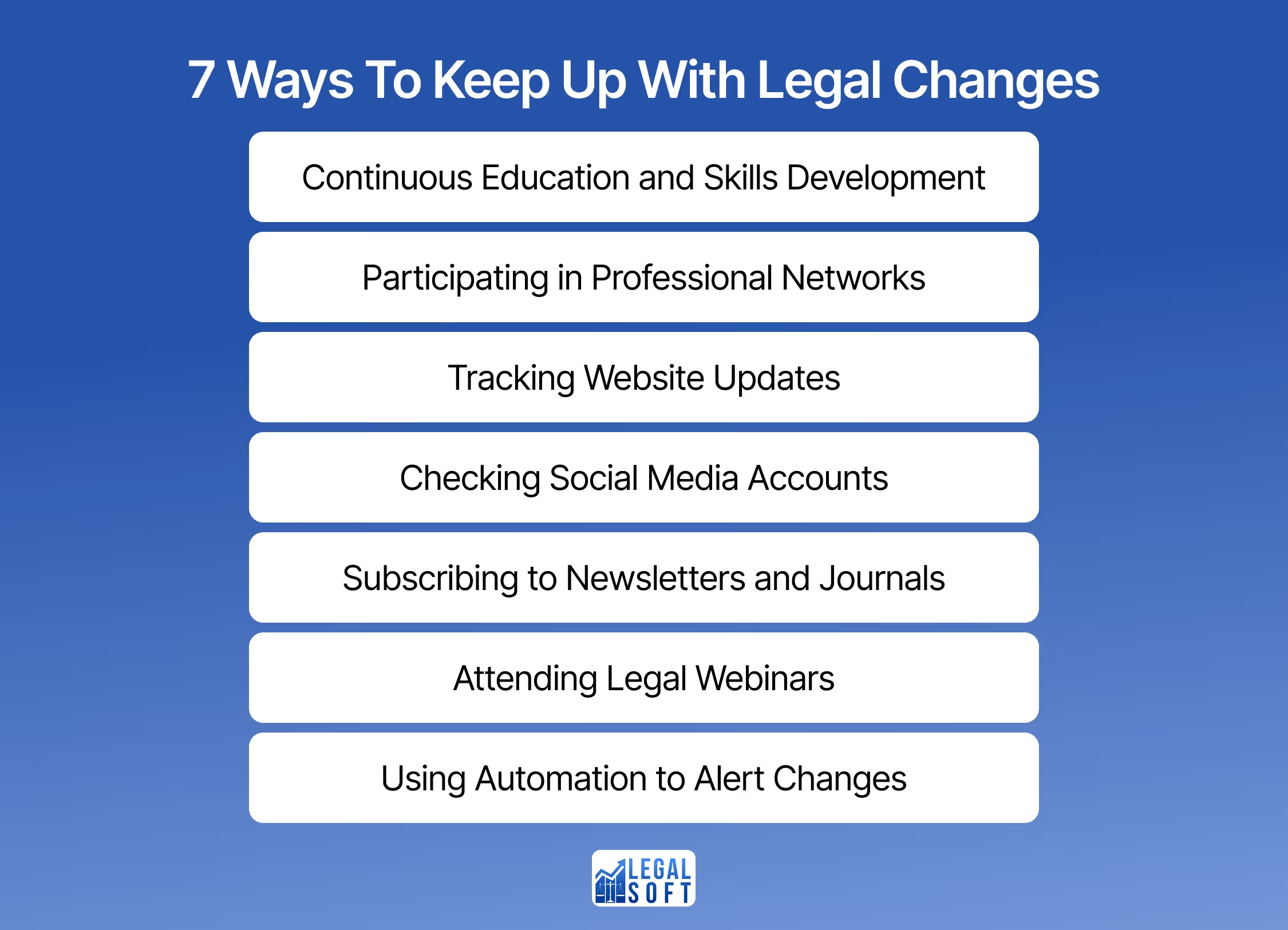
1. Continuous Education and Skills Development
Professional legal VAs treat learning as part of their career, not just a task on a checklist. They build ongoing education into their schedules through structured programs and self-directed study that sharpen their legal knowledge.
Many participate in paralegal certification programs that require continuing legal education (CLE) credits. Others complete specialized courses in areas like e-discovery, legal research, or practice areas relevant to the firms they support.
They might enroll in specialized certification programs or take courses approved by:
- National Association of Legal Assistants (NALA)
- American Bar Association (ABA)
- National Federation of Paralegal Associations (NFPA)
- Association of Legal Administrators (ALA)
By constantly refining their skills, they ensure they can handle increasingly complex tasks as your firm grows.
2. Participating in Professional Networks
Legal VAs connect with peers through professional associations and online communities where members share real-time updates and practical insights. These networks act as early warning systems for changes that could affect daily operations.
Examples include LinkedIn groups for legal professionals or state-specific legal assistant associations that provide access to exclusive resources. These communities allow VAs to exchange tips and insights with peers, often spotting changes and best practices before they become widely implemented.
3. Tracking Website Updates
Government and court websites are the source of truth for legal procedures. Official sources publish the most reliable information, and virtual assistants monitor them directly rather than waiting for secondhand reports.
They regularly check key websites relevant to their practice areas. Many VAs use browser bookmarks organized by priority and check high-impact sources weekly or even daily.
Some of the websites they typically monitor include:
- U.S. Congress legislation: new federal laws and updates
- Federal Circuit: for key rulings
- U.S. Supreme Court: opinions, filings, and procedural updates
- State legislatures: state-specific laws and regulations
By tracking these sources directly, VAs ensure your firm stays informed of official updates as soon as they are published.
4. Checking Social Media Accounts
While it may seem casual, many regulatory agencies maintain active social media accounts to share relevant information, activities, and updates.
Legal organizations and thought leaders are increasingly active on social media platforms as well. Following judges, clerks, and legal commentators often provides context and practical interpretation that official announcements may lack.
Platforms like X (formerly Twitter) and LinkedIn have become unofficial newswires for the legal industry. VAs who follow the right accounts can gain advance notice of changes and insights, helping your firm stay ahead of developments.
5. Subscribing to Newsletters and Journals
Inbox management is a key skill for virtual assistants. Given their reliance on digital tools, VAs use it to filter the most important legal news directly to your firm.
Curated content delivered straight to their inbox helps VAs separate signal from noise. High-quality newsletters turn complex legal changes into actionable insights without requiring hours of independent research.
Many newsletters and journals focus on specific practice areas, providing deeper dives into specialized topics that can directly benefit your firm. By creating a strong curation of subscriptions, VAs ensure your team receives valuable, timely information that keeps you up to date on relevant legal developments.
6. Attending Legal Webinars
Webinars offer a chance to hear directly from experts about how specific legal changes will impact daily operations. They provide updates on focused topics, with the added benefit of live Q&A sessions handled by real experts in the legal field.
Many bar associations, legal education providers, and software companies regularly host free or low-cost webinars. VAs use these opportunities to gain an understanding of complex changes and turn them into actionable insights that support your firm’s operations.
7. Using Automation to Alert Changes in Laws and Regulations
Virtual assistants are well-versed in technology and rely on digital platforms to perform daily tasks. They also leverage technology to handle the heavy lifting of staying updated with the latest legal information.
Instead of manually checking sources, they use software that alerts them to specific keywords, legislative movements, or regulatory changes.
Technology allows VAs to monitor far more sources than would be possible through manual checks alone. Automated alerts and aggregation tools ensure nothing gets overlooked, freeing up time for actual legal work.
For example, a VA may:
- Set Google Alerts for terms like “[state name] family law changes” or “USCIS policy update.”
- Use RSS readers to aggregate multiple court websites, legal blogs, and news sources into a single daily digest.
- Configure tools to filter for specific jurisdictions, practice areas, and keywords, ensuring relevant updates reach the team promptly.
Why It Matters: Advantage of Staying Updated
When your support staff is proactive about legal changes, your entire firm operates with higher precision. They become your partners who help your firm avoid costly mistakes and capitalize on new opportunities.
Here are four key advantages of having a virtual team that stays on top of legal developments:
- Risk mitigation: When your virtual assistant understands the latest filing requirements and procedural updates, they can catch issues before they become problems. This helps prevent missed deadlines, rejected filings, and potential malpractice claims.
- Enhanced client trust: A well-informed assistant can quickly adapt client communications and documents to reflect new legal standards. Clients feel more confident knowing their legal team is current with the latest industry changes.
- Improved efficiency: Virtual assistants who are familiar with recent updates know exactly where to find relevant information. They don’t waste time using outdated filing methods or obsolete forms.
- Proactive prevention: Instead of waiting for attorneys to flag changes, informed virtual assistants identify how new rules impact existing workflows. They can recommend process adjustments before outdated procedures create bottlenecks.
Final Notes
As long as society, the economy, and technology continue to evolve, the regulatory environment will keep changing in response.
Virtual assistants who help your firm stay up to date using these online strategies make keeping pace with constant change more manageable.
When you work with virtual assistants who prioritize staying informed, you gain more than administrative support. You gain a partner who helps keep your firm’s workflows current, serve clients more effectively, and stay ahead in a constantly evolving legal landscape.


