
A virtual paralegal is a trained paralegal who works remotely and handles substantive legal work for a law firm. That includes legal research, drafting, discovery, and case management, all under an attorney’s supervision.
The only real difference from an in-office paralegal is location. A virtual paralegal works inside your firm’s systems from a remote setup.
This guide covers what virtual paralegals do, how they compare to other roles, the pros and cons, what they cost, and how to work with one.
Key Highlights
- A virtual paralegal does the same substantive legal work as an in-office paralegal, just from a remote location.
- They handle research, drafting, discovery, trial prep, and case management, but they cannot give legal advice or represent clients in court.
- The main trade-off is physical presence: anything that needs someone in the office stays with in-office staff.
- Most firms hire through a staffing provider on a flexible contract instead of adding a full-time employee.
What Is a Virtual Paralegal?
A virtual paralegal is a remote legal professional who supports attorneys with legal work that requires training and judgment. The work is the same as any paralegal’s. Only the location changes.
The American Bar Association defines a paralegal as someone qualified through education, training, or work experience to do delegated substantive legal work. The lawyer stays responsible for that work. A virtual paralegal fits that definition exactly, just from a remote setup.
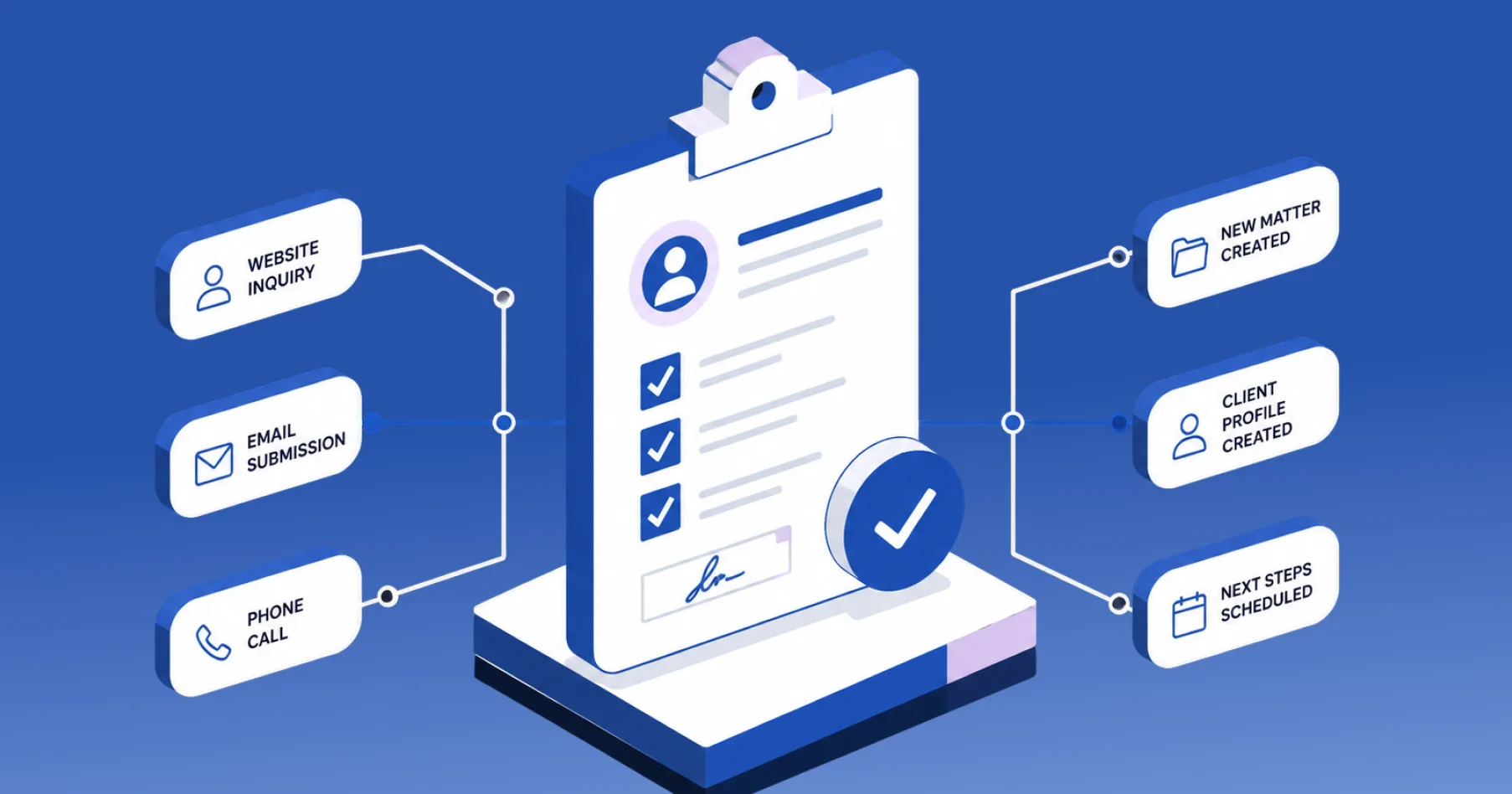
Virtual paralegals log into the firm’s case management system, shared drives, and communication tools. They take assignments, meet deadlines, and report progress the same way an in-office paralegal would.
Like any paralegal, a virtual paralegal cannot practice law. They cannot give legal advice, set fees, or represent clients in court.
What Does a Virtual Paralegal Do?
What tasks can a virtual paralegal handle? Most of the legal work a paralegal does in the office: research, drafting, discovery, trial support, and case management. Basic clerical work usually goes to a legal assistant instead.
Legal research and summaries
Virtual paralegals find case law, statutes, and rulings using tools like Westlaw or LexisNexis. They summarize findings so attorneys can review the key points quickly. They also check citations for motions and court filings.
Legal document drafting
They draft contracts, settlement agreements, pleadings, motions, and discovery requests and responses. They also edit legal correspondence for clarity before it goes to the attorney for review.
Discovery and document management
Virtual paralegals organize e-discovery files and index medical records, contracts, and exhibits. They flag missing documents and inconsistencies before they become a problem.
Trial support
They prepare timelines, exhibits, and trial binders. They also coordinate witness lists and deposition materials so the attorney walks into court prepared.
Case management and client communication
They track deadlines and court dates, log billable time, and keep case files current in software like Clio or MyCase. Many also handle client intake and follow-ups on requested documents.
Virtual Paralegal Tasks by Practice Area
The core skills stay the same, but the daily work changes with the practice area. Here is what virtual paralegals typically handle in five common areas.
- Personal injury: Collect and summarize medical records and bills, organize insurance documents, and prepare first drafts of demand letters from case facts.
- Family law: Prepare divorce petitions and custody forms for attorney review, track hearing dates, and manage client intake during sensitive cases.
- Corporate law: Draft contracts, NDAs, and board resolutions, track compliance filing deadlines, and organize due diligence materials.
- Immigration: Complete USCIS forms such as the I-130, assemble evidence packets, and track filing windows and Requests for Evidence.
- Intellectual property: Prepare trademark filings, track renewal dates across a portfolio, and run preliminary conflict searches for attorney review.
For a closer look at how the work differs by area, see what a litigation paralegal or an immigration paralegal handles day to day.
Virtual Paralegal vs. Legal Assistant vs. Freelance Paralegal
A virtual paralegal does substantive legal work on an ongoing basis. A virtual legal assistant handles administrative support. A freelance paralegal usually takes one-off projects for several firms.
If your bottleneck is calls, calendars, and files, a virtual legal assistant is the better fit. If attorneys are buried in research and drafting, you need a paralegal. Our guide to hiring a paralegal on Upwork covers the freelance route in more detail.
Pros and Cons of Hiring a Virtual Paralegal
A virtual paralegal gives you trained legal support without the overhead of an in-office hire. The trade-off is that they can’t do anything that requires being physically present.
Most of these cons are setup issues rather than deal-breakers. Firms that already run on cloud software usually adapt fastest.
When Should a Law Firm Hire a Virtual Paralegal?
Hire a virtual paralegal when attorneys are spending billable hours on paralegal work, but the firm isn’t ready for another in-office employee. These are the most common signs.
- Attorneys are doing their own research and first drafts after hours.
- Filing and discovery deadlines are getting tight or slipping.
- Caseload is growing, but there is no office space or budget for a full in-house hire.
- A solo or small practice has no paralegal at all.
- A trial or a surge in new matters needs extra hands for a few months.
How Hiring a Virtual Paralegal on Contract Works
Most firms hire a virtual paralegal through a staffing provider on a contract, rather than as a direct employee. The provider recruits, screens, and handles payroll. Your firm assigns and reviews the work.
The process usually follows three steps:
- Scope the role: Decide which tasks, practice areas, and software the paralegal needs to cover.
- Interview candidates: Review profiles and work history, then interview your shortlist directly.
- Onboard and delegate: Set up system access, agree on check-ins, and start with a defined set of tasks.
Before you sign, check the terms that matter most: weekly hours, minimum commitment, notice period, and what happens if the first hire isn’t a fit. For example, Legal Soft’s paralegals work full-time on month-to-month terms, with a replacement at no extra cost if the match doesn’t work.
How Much Does a Virtual Paralegal Cost?
Cost depends on how you hire. Freelance paralegals usually bill by the hour, so the monthly cost rises and falls with the work you send. Staffing providers usually charge a flat monthly rate for a full-time paralegal. An in-house hire adds salary, benefits, equipment, and office space.
As a reference point, Legal Soft’s full-time virtual paralegals start at $1,740 per month for 160+ hours of support. Current rates are on the pricing page.
How to Work With a Virtual Paralegal
A virtual paralegal works best when you plan supervision, security, and software before day one. These steps make the first month smoother.
- Define the work: List the tasks you will hand off and the ones that stay with attorneys.
- Set up supervision: Decide who assigns work, who reviews it, and how often you check in.
- Protect client data: Confirm they sign an NDA, follow your confidentiality rules, and meet HIPAA requirements when you handle medical records.
- Match your software: Look for experience in the tools you already use, such as Clio, MyCase, or Filevine.
- Interview for remote work: Ask how they handle security, hours, and updates, not just legal tasks. Our list of paralegal interview questions includes questions written for virtual hires.
Frequently Asked Questions
Can a virtual paralegal draft legal documents?
Yes. A virtual paralegal can draft pleadings, motions, discovery, contracts, and correspondence. An attorney must review and sign off before anything is filed or sent.
Can a virtual paralegal go to court?
No. Paralegals cannot represent clients in court. A virtual paralegal supports the attorney behind the scenes by preparing exhibits, binders, and witness materials.
Can paralegals work from home?
Yes. Most paralegal work is digital, so it can be done remotely with secure access to the firm’s systems. Tasks that need someone physically present, like hand-delivering filings, stay with in-office staff.
Is a virtual paralegal the same as a virtual legal assistant?
No. A virtual paralegal handles substantive legal work like research and drafting. A virtual legal assistant handles administrative work like scheduling, calls, and file organization.
How much does a virtual paralegal cost?
It depends on the hiring model. Freelance paralegals usually charge by the hour, while staffing providers charge a flat monthly rate. Legal Soft’s full-time virtual paralegals start at $1,740 per month.
Final Thoughts
A virtual paralegal gives your firm trained legal support without adding office space or a long-term hire. They take research, drafting, and case management off attorneys’ desks, so attorneys can focus on clients.
The right fit depends on your practice area, your software, and how you plan to supervise. If you’re weighing your options, you can browse available candidates or read how Legal Soft’s virtual paralegal services work.