

Building a successful law practice is no easy task. It requires careful attention to many moving parts to ensure the firm’s smooth operations. If you’re a lawyer who has ever missed potential clients because calls went unanswered or misqualified leads while you were juggling multiple responsibilities, you’re not alone.
According to Clio’s 2025 Law Firm Report, 35% of calls from prospective clients go unanswered, representing a missed opportunity shared by many firms. One key solution to this challenge is having a legal intake specialist, a role that many law firms overlook despite the value it can bring.
From the responsibilities legal intake specialists handle to practical tips for working with one, this guide will cover everything you need to know about legal intake specialists and how they can strengthen your law firm’s intake operations.
What is a Legal Intake Specialist?
Think of a legal intake specialist as a specialized role within the broader intake profession. While intake specialists work across various industries, serving as frontline professionals who communicate with customers, patients, or applicants, a legal intake specialist works exclusively for law firms. They serve as the point of contact between potential or existing clients and the firm, identifying what clients need and guiding them to the appropriate legal services.
Since they operate within a legal environment, legal intake specialists must understand legal terminology, procedures, and case evaluation processes. This specialized knowledge allows them to effectively handle initial inquiries, gather essential case details, and help qualify leads before they reach an attorney. Part of the value of this specialization is flexibility, legal intake specialists can adapt their responsibilities to align with each firm’s unique process and client needs.
What Does a Legal Intake Specialist Do?
As discussed above, the primary role of a legal intake specialist is to serve as the first point of contact for potential clients. They gather essential information to help the firm determine whether a case meets its criteria and to ensure attorneys are fully prepared for consultations.
During the intake process, specialists record key client details, which may include medical records, police reports, insurance information, and other relevant documentation. An important aspect of their role is establishing trust, they often speak with individuals who are injured, frightened, or unsure about the legal process.
Key Responsibilities of Legal Intake Specialist
A dependable intake specialist reassures clients, answers their questions, and ensures they feel supported from the very first call. Their typical tasks include:
- Answering calls, emails, and web inquiries from potential clients
- Gathering case details, timelines, and relevant documentation
- Guiding clients to the appropriate service based on gathered information
- Screening leads according to the firm’s established criteria
- Collecting client data and entering it into the case management system
- Coordinating schedules and consultations with attorneys
- Following up with potential clients
- Explaining firm processes and fees
- Escalating urgent matters to attorneys
- Preparing complete intake packets
- Sending out and collecting necessary initial paperwork
- Tracking intake performance metrics
- Maintaining client confidentiality
Work Conditions of Intake Specialists at a Law Firm
Long working hours are nothing new in the legal industry. On average, a lawyer working in a large firm works around 66 hours per week, according to Legal Soft's 2025 report. This demanding schedule highlights the constant need for reliable support staff, particularly legal intake specialists who must adapt to these working hours to effectively assist attorneys and maintain client intake operations.
While exact working conditions vary depending on the firm’s size and area of practice, intake specialists can expect to manage multiple inquiries and client intakes throughout the day. Their work often involves extended periods of sitting, standing, and walking, especially in busy firms where responsiveness is critical.
According to the PEW Charitable Trust’s 2024 State Courts Report, U.S. courts handle approximately 66 million cases per year. This enormous volume translates to millions of client intakes, particularly in high-demand areas like family law and personal injury law. As a result, many law firms often extend their intake operations to run 24/7 to ensure that no potential client or case opportunity is missed.
Legal Intake Specialist vs. Legal Receptionist
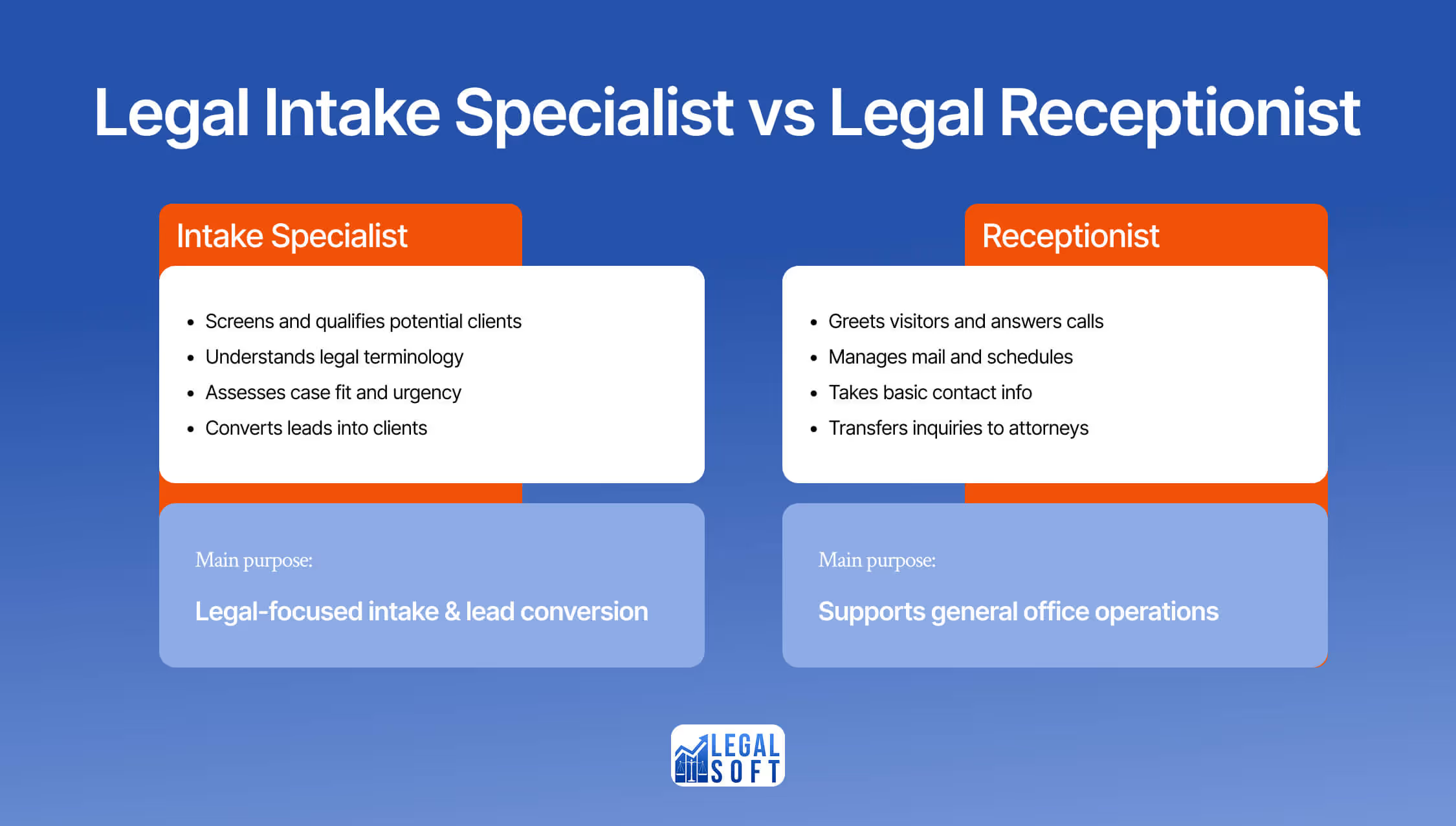
We’ve explored what a legal intake specialist does and how they support law firms. While legal intake specialist and receptionist are often used interchangeably due to their shared involvement in handling client communications, the two roles differ significantly in scope, expertise, and responsibility.
A receptionist manages general administrative tasks, such as greeting visitors, answering phone calls, and handling mail. Their responsibilities are broader but less specialized—they support the entire office operations rather than focusing specifically on client acquisition. While they may collect initial client contact information, they typically transfer inquiries to intake specialists or attorneys for further case evaluation.
A legal intake specialist, on the other hand, performs a more specialized function centered on potential client acquisition and case evaluation. They understand legal terminology, can identify case types and urgency levels, and make informed judgments about whether a case fits the firm’s criteria. Their primary goal is to convert qualified leads into clients while filtering out cases the firm cannot take on.
Both legal intake specialists and receptionists bring value to firm operations. While their responsibilities may overlap in certain areas, their focus and expertise serve distinct purposes within the legal workflow.
Qualities of an Effective Legal Intake Specialist
For law firms and legal departments seeking to hire a legal intake specialist, finding candidates with the right qualities and skills can make your work easier and improve client satisfaction. Since this role primarily involves interacting with clients, having someone who makes a strong positive first impression and maintains professionalism is essential.
Key qualities to look for include:
Communication skills
Strong written and verbal communication skills are crucial for intake specialists, as they interact with individuals to gather essential details, clarify case information, and screen cases across multiple channels—in person, over the phone, or via email. Even tone and pitch of voice directly impact how individuals perceive the firm’s professionalism.
Active listening and attention to detail
Being an active listener is just as important as being a good communicator. Intake specialists must pay close attention to every detail clients share, ask follow-up questions for clarification, and explain legal processes in a clear and reassuring way. This skill helps build trust and genuine connections with each client.
Empathy and understanding
Clients seeking legal help are often under stress, in pain, or in vulnerable situations. Intake specialists must be able to connect with clients on a personal level, demonstrate compassion, and create a safe environment where clients feel comfortable sharing concerns.
Dependability
Attorneys often juggle multiple responsibilities, making it invaluable to have a reliable intake specialist who can manage the intake process independently and direct clients to the appropriate services without constant supervision.
Strong organizational skills
Legal matters often vary in urgency. Intake specialists with strong organizational skills can prioritize and route cases to the right services, ensuring attorneys meet deadlines and no lead is missed. Proficiency with CRM and case management systems also supports an organized workflow of communications, documentation, and follow-ups.
Problem solving abilities
Intake specialists must think critically and provide solutions to client concerns while directing them to the right services. Strong problem-solving keeps operations smooth and reduces the need for attorney intervention at every step.
Knowledge of Legal Procedures
While an intake specialist is not expected to have the same level of legal expertise as attorneys, they should have a solid understanding of legal procedures and terminology. Familiarity with a firm’s practice area improves case qualification and enhances communication between clients and attorneys.
Ability to work under pressure
The role of an intake specialist can be demanding, often involving a high volume of inquiries and deadlines to meet. A good intake specialist can work effectively under pressure, maintaining composure and professionalism.
How to Become a Legal Intake Specialist
Legal intake specialists do not have strict educational requirements, but certain steps can help you start your career.
Obtain a high school diploma or GED
The minimum requirement for most legal intake professional positions is a high school diploma or GED. You can find entry-level jobs with this qualification, but competition can be tough, so it's helpful to develop strong communication, writing, and organizational skills early on.
Taking related classes or participating in extracurricular activities that build a foundation in customer service, business, or office administration can also improve your chances of securing a position at a law firm.
Earn a bachelor’s degree
While not always required, a bachelor’s degree can boost your chances of securing higher paying positions and long-term career growth. Degrees in paralegal studies, legal studies, business administration, or communications are commonly preferred educational programs that law firms seek in candidates.
Choosing the right degree is an important step toward building your career path. Because educational requirements may vary by employer, review job postings from your preferred employers to understand which degrees or skill sets are most in demand.
Get related work experience
Many employers value candidates with relevant experience in customer service, law offices, or administrative roles. If you’re new to the legal field, you can build experience through apprenticeships, internships, or related positions in industries that connect to intake work.
Experience in high-volume call centers, medical or real estate offices, or administrative roles at law firms can help you develop transferable skills, like handling inquiries, managing client data, and understanding basic legal terminology. The time you invest in these roles helps strengthen your qualifications and prepares you for the legal intake environment.
Pursue advanced qualifications
While not necessary for entry-level positions, earning additional certifications can open more doors and distinguish you from other candidates. Consider training in legal software systems, case management tools, or legal administration programs that teach you the fundamentals of legal procedures and ethics. This commitment to learning demonstrates professionalism and dedication to the field, enhancing your credentials.
What Can a Legal Intake Specialist Earn?

Legal intake specialists can work on a full-time or part-time basis, with salaries varying depending on experience, location, and area of specialization. The average salary of a legal intake specialist is $52,959 per year, according to Glassdoor.
Legal intake specialists working in private law firms in cities like San Francisco, New York, and Oakland, typically receive the highest-paying positions as firms compete to attract skilled candidates. This shows that intake specialists in law firms tend to earn higher salaries than general intake specialists, who average around $43,288 per year.
Tips for Working with a Legal Intake Specialist

Provide clear case qualification criteria and guidelines
Think of your legal intake specialist as your firm’s gatekeeper. By giving them detailed information and clear criteria for the ideal client and case profile, they can efficiently screen leads and save you time by filtering out non-viable cases. When your specialist understands your priorities, they can make confident decisions without constantly seeking approval.
Establish a clear communication system
Set clear expectations for how you’ll communicate—whether through calls, meetings, or emails. Define how urgent or time-sensitive matters should be reported, since intake specialists are often the first to learn of potential emergencies. When they understand your standards and maintain regular communication, they can help you meet deadlines and prevent important information from getting lost or delayed.
Encourage ongoing constructive feedback
Take time to review your intake specialist's work and provide constructive feedback on case assessments and client interactions. Share insights about which leads converted successfully and which did not, and explain why. This consistent feedback acts as ongoing training that helps them strengthen their skills and improve the overall quality of your intake process.
Maintain secure and confidential processes
Maintaining client confidentiality is a strict ethical and legal responsibility rooted in attorney-client privilege. Because intake specialists handle sensitive personal and case information, it’s essential to have secure systems and privacy protocols in place from the start. Doing so protects your clients, safeguards your firm, and minimizes liability risks.
Importance of Intake Specialists in Law Firms to Clients
The intake process is often the first indicator of a law firm’s professionalism and sets the tone for how clients perceive their overall experience. These initial interactions shape whether potential clients will decide to work with your firm or look elsewhere. Here’s how an effective legal intake process can influence the client experience:
- Client satisfaction: Long wait times, unclear communication, or lack of attentiveness can quickly lead to frustration and missed opportunities. A structured and responsive intake process ensures clients feel heard and valued from the start. This builds confidence in the firm’s reliability and strengthens their decision to move forward.
- Client communication: When an intake specialist clearly explains the firm’s process, outlines how information will be shared, and sets expectations for response times—while actively listening to client concerns—it creates a reassuring experience. Clear communication helps clients understand the next steps, reduces confusion, and prevents misunderstandings.
- Client relationships: The intake process lays the foundation for a strong attorney–client relationship. By demonstrating empathy, professionalism, and confidentiality from the first interaction, intake specialists build trust that leads to better collaboration and long-term client loyalty.
Does the Intake Process Matter for Personal Injury Law Firms?
Clients contacting personal injury law firms are often dealing with physical pain, emotional stress, and financial uncertainty. In these moments, how a firm responds to the first call or inquiry can significantly influence a client’s decision to move forward.
A well-managed legal intake process ensures potential clients receive timely, compassionate, and professional assistance. An effective intake process benefits personal injury law firms in several key ways:
- Higher client conversion rates: A structured intake process enables legal professionals to respond promptly to inquiries, increasing the likelihood that potential clients choose your firm over competitors.
- Fewer lost leads: Delayed or missed responses often cause prospective clients to seek legal services elsewhere.
- Accurate case qualification: Intake specialists gather and assess essential case details to determine whether matters align with the firm’s criteria.
Virtual Intake Services
Remote work is no longer just a trend—it has transformed how businesses operate across every industry, and legal services are no exception.
As clients increasingly expect the convenience of handling important matters from anywhere at any time, many law firms now offer virtual legal intake services, allowing prospective clients to connect with the firm 24/7 through phone, online forms, or live chat.
Virtual intake also enables firms to expand their access to specialized talent without geographic limitations, helping ensure clients are connected with staff who have expertise in their specific practice area. However, it requires careful management to keep client data secure and confidential.
If you're considering between handling intake in-house or using a virtual service, here’s a quick comparison:
Improving Law Firm Intake Process with Legal Soft
If you’re a lawyer who often misses potential leads or struggles to respond promptly to client inquiries, it can feel like your practice isn’t growing as it should. From answering calls to gathering case details and screening leads, a skilled legal intake specialist can help you build a firm that delivers consistent responsiveness, better lead qualification, and an improved client experience through professional support at every stage of the intake process.
With this in mind, partnering with a legal intake specialist allows you to delegate the administrative and time-consuming tasks of the intake process. This frees you to focus on case strategy, client representation, and firm growth—areas that truly require your expertise.
At Legal Soft, we connect law firms with qualified legal intake specialists who understand the unique demands of legal practice. They’re trained to provide reliable intake solutions that support your firm’s goals from the very first call.

Frequently Asked Questions
Do intake specialists need to be bilingual?
It’s not required, but having a bilingual intake specialist can be a major advantage, especially for firms that serve clients who speak languages other than English. This allows your team to communicate more effectively and provide better support to diverse communities.
What is a legal intake specialist job description?
A legal intake specialist manages the intake process for law firms. Their job typically involves answering client inquiries, gathering case details, qualifying leads, entering data into case management systems, and coordinating communication between clients and attorneys.
What practice area can it support?
Legal intake specialists can support nearly any practice area. They are particularly valuable in high-demand fields such as personal injury, immigration, family law, and criminal defense. With proper training and guidelines, they can personalize the intake process to align with your firm’s specific practice area.